How Often Should You Pressure Wash in Florida? A Schedule by Surface
How often should you pressure wash a home in Florida? Short answer: most houses, driveways, and fences need a cleaning every 12 to 18 months, and roofs every 2 to 3 years. Shade, sprinklers, and humidity can shorten that. Use this schedule as a starting point for Wesley Chapel.
How Often Should You Pressure Wash a House in Wesley Chapel?
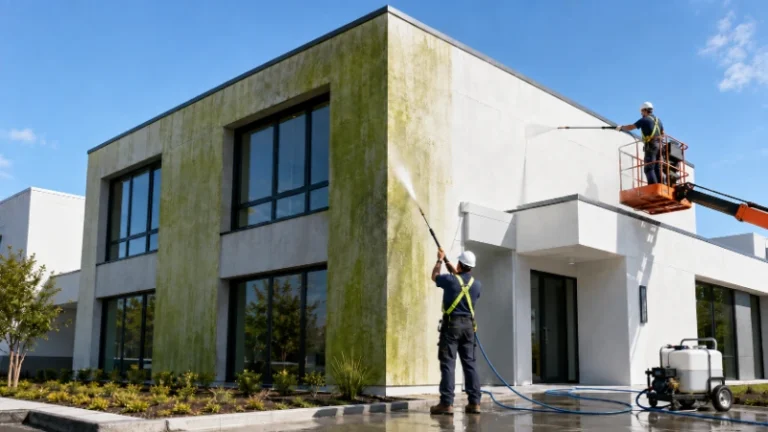
How often should you pressure wash a house in Wesley Chapel? Every 12 to 18 months for most homes. Shaded walls, sprinkler spray, and yards near ponds can need it closer to 12 months. A sunny, dry side of the house can wait longer. Watch for green or black film, not just the calendar.
Why is there no single number? Algae and mildew need moisture, as the UF/IFAS Extension mold guide explains. Wesley Chapel humidity averages close to 75 percent. A north facing wall under an oak in Seven Oaks stays damp and greens up fast. A south facing driveway in a newer part of Wiregrass Ranch dries out every day and stays clean far longer.
Roofs add one more wrinkle. The Asphalt Roofing Manufacturers Association notes that algae cleaning is only temporary and the dark streaks may come back. It also explains that algae is carried through the air, so a clean roof can be re-seeded by a dirty one next door. That is why whole streets in Meadow Pointe often darken around the same time.
That is why a regular schedule beats a one time fix. A cleaning resets the clock, and the schedule below tells you roughly when to reset it.
A Pressure Washing Schedule by Surface
Houses and fences run on a 12 to 18 month cycle, driveways on a yearly one, and roofs every 2 to 3 years. Gutters need two visits a year. Treat these as starting points. Then shorten the gap for shade, irrigation, and standing water.
| Surface | Starting point | Shorten it when |
|---|---|---|
| House and stucco | Every 12 to 18 months | Walls are shaded or north facing, or sprinklers hit them |
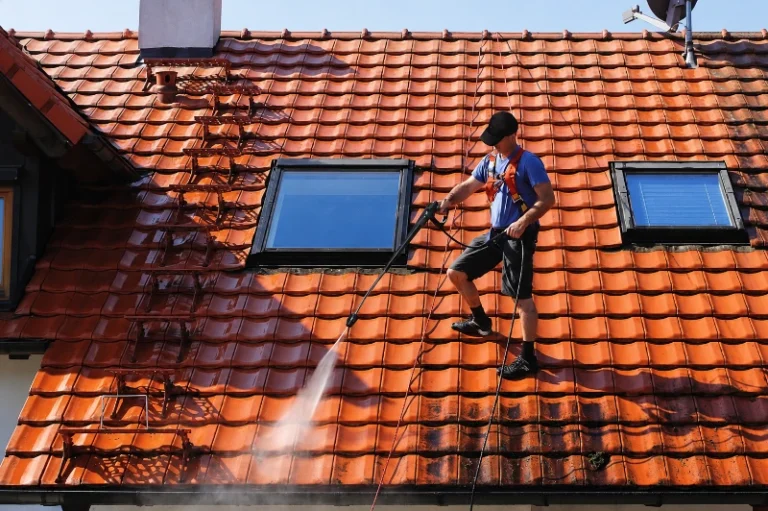
| Roof | Every 2 to 3 years | Heavy tree cover, or dark streaks return early |
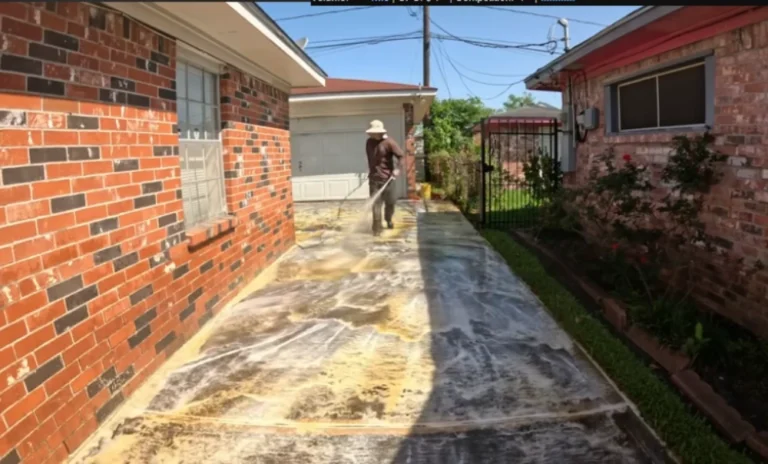
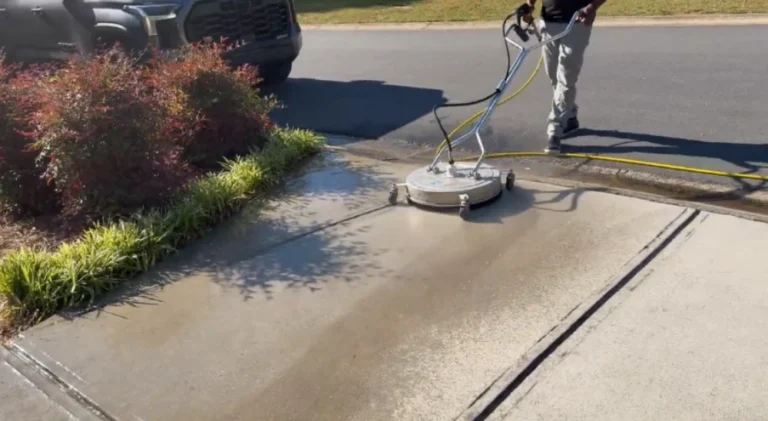
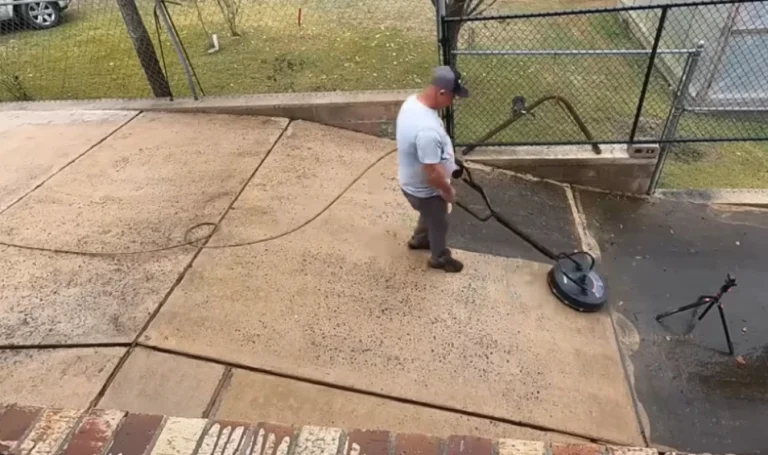
| Driveway and walkways | Once a year | Shade, sprinkler heads, or rust stains |
| Fences | Once a year | Pond or wooded buffer, or a shaded yard |
| Gutters | Twice a year | Late spring before the storms and after leaf drop |
| Pool deck and lanai | Once a year | The deck feels slick or the screen turns green |
Each surface has its own page with the details: pressure cleaning roofs, pressure cleaning homes, pressure cleaning driveways, pressure cleaning fences, pressure cleaning lanais, paver cleaning and sealing, and gutter cleaning.
Want to pick the month? Our guide to the best time to pressure wash Wesley Chapel shows which months work best for each surface.
Signs It Is Time to Clean Without Checking the Calendar
Look for growth you can see or feel. Green or black film, a slick surface, or dark streaks all mean algae or mildew has taken hold. If you spot any of the signs below, the next cleaning is due, even if the calendar says otherwise.
- Concrete and pavers: green or black film, or a slick feel underfoot.
- Roof: dark streaks running down from the ridge, heaviest on the shaded slope.
- Stucco and siding: green or chalky residue that rubs off on your finger.
- Fences: gray or green color that spreads along the bottom boards first.
- Pool deck and screens: a slick deck or a green tint on the screen cage.
- Near sprinklers: orange rust spots from irrigation spray. See our rust and stain removal page.
A quick test works well on stucco. Wipe a clean finger across the wall. If it comes away green or powdery, growth is already there.
Why Shade, Sprinklers, and Ponds Change Your Schedule
The calendar is only half the story. Three things on your lot do more to speed up algae than anything else. They are shade, sprinkler spray, and nearby water.
How does shade affect how often you should pressure wash?
Shade keeps a surface damp for hours after rain. A north facing wall, a fence under an oak, or a driveway shaded by a neighbor’s tree stays wet longer than a sunny side. Damp surfaces grow algae faster, so shaded areas often need cleaning in 8 to 12 months.
Do sprinklers make surfaces dirty faster?
Yes. Sprinkler heads that hit a wall, fence, or driveway keep that spot wet every day. Some irrigation water also leaves orange rust marks. If your heads spray the house, adjust them first, then plan on a tighter cleaning cycle for those spots.
What about ponds, lakes, and golf course lots?
Homes near water or wooded buffers sit in damper air. Fences that back up to a pond are the classic example. Communities with water views, like Epperson, Union Park, Lexington Oaks, and Bridgewater, often benefit from the shorter end of the schedule.
Does the Cleaning Method Change How Often You Need It?
Yes. Low pressure soft washing is the method roofing manufacturers recommend for roofs and siding. It also lets you clean on a tighter schedule without wearing down the surface. High pressure on wood, older stucco, or shingles can cause damage, so method and frequency go together.
Our page on how soft washing works explains the process step by step. If you are thinking about renting a machine, read DIY pressure washing mistakes first. And if you are worried about warranties on a new build, see whether pressure washing is safe for new homes.
A Sample Maintenance Plan for a Typical Wesley Chapel Home
Here is an example of how the schedule can look over three years. Treat it as a template. Your own plan should shift based on shade, sprinklers, and what you see on your property.
| When | Jobs |
|---|---|
| Year 1, late April | House, driveway, fence, lanai and pool cage |
| Year 1, November | Gutters, plus a quick check of the roof |
| Year 2, late April | Driveway, fence, and lanai refresh. Add gutters in late spring. |
| Year 2 or 3, spring | Roof soft wash, and house wash if the walls show film |
| Every year | Rust spots and slick areas as soon as you notice them |
Spreading the work out keeps each visit smaller. It also keeps every surface from falling behind at the same time. You can bundle jobs into one visit to save setup time. See our pressure washing cost guide for how pricing works.
What Waiting Too Long Costs
A fence, driveway, or roof left too long costs more than the cleaning itself. Algae works deeper into wood grain and concrete. A catch up job then takes extra passes and extra product. It can also need sanding or resealing on top of the wash.
A wood fence left two or three years between cleanings is the classic example. The algae sinks into the grain instead of sitting on the surface. Staying close to the schedule above usually costs less over time than skipping a cycle or two.
Waiting can also bring a notice from your HOA. See what HOA boards look for to understand how notices work.
Does the water shortage change the schedule? It can. Pasco County is under a water shortage order through March 31, 2027. The District allows pressure washing before painting and sealing. HOAs cannot require washing for looks alone. Confirm purely cosmetic jobs with the county before you book. Our guide to Pasco County water restrictions and pressure washing has the details.
How Often to Pressure Wash Florida Homes FAQ
Is once a year enough for pressure washing in Florida?
For driveways, fences, and pool decks, usually yes. Houses often do well at 12 to 18 months. Shaded walls, spots near sprinklers, and fences near ponds may need a cleaning closer to every 8 or 9 months.
How often should you pressure wash a roof in Florida?
Every 2 to 3 years is a common starting point for a soft wash, and sooner under heavy tree cover. The Asphalt Roofing Manufacturers Association says high pressure should not be used on asphalt roofing, and that algae can return after any cleaning.
Do new homes need pressure washing as often as older ones?
Often sooner than owners expect. New Wesley Chapel homes commonly show visible algae within 12 to 18 months. It does not mean anything was built wrong. Florida humidity works on any surface.
Can pressure washing too often damage a surface?
High pressure used too often can wear down soft surfaces like wood and older stucco. Low pressure soft washing does not carry that risk, which is why it suits surfaces on a tighter schedule.
How do I know it is time to wash without a calendar?
Look for green or black film, a slick feel underfoot, dark streaks on the roof, or a chalky look on stucco. Any of those means growth has taken hold and the next cleaning is due.
Which month is best to pressure wash on a schedule?
Late April is the sweet spot for most homes, and late February to mid May works well. That window comes before the May 25 rainy season start, so the clean has the longest dry stretch to hold.
Do water restrictions change how often I can wash?
They can. Pasco County is under a water shortage order through March 31, 2027. The District allows washing before painting and sealing, and Pasco County lists annual pressure washing as allowed. Confirm purely cosmetic jobs with the county first.
See more answers in our pressure washing FAQ or browse our pressure washing tips blog.
More Pressure Washing Guides
Keep reading for the facts behind your next cleaning.
- Best Time to Pressure Wash Wesley Chapel: which months work best for each surface
- What HOA Boards Look For: how violation notices and fines work
- Pressure Washing Cost in Wesley Chapel: what drives the price of a cleaning
- Pasco County Water Restrictions and Pressure Washing: what the water shortage order allows
Not Sure Where You Are in the Cycle? Call for a Free Estimate
Tell us your neighborhood and what you want cleaned, and we will tell you where each surface stands.