Pool Deck and Lanai Cleaning in Wesley Chapel, FL
Careful cleaning around pool equipment, furniture, and screen enclosures, without the algae, slip risk, or torn mesh.
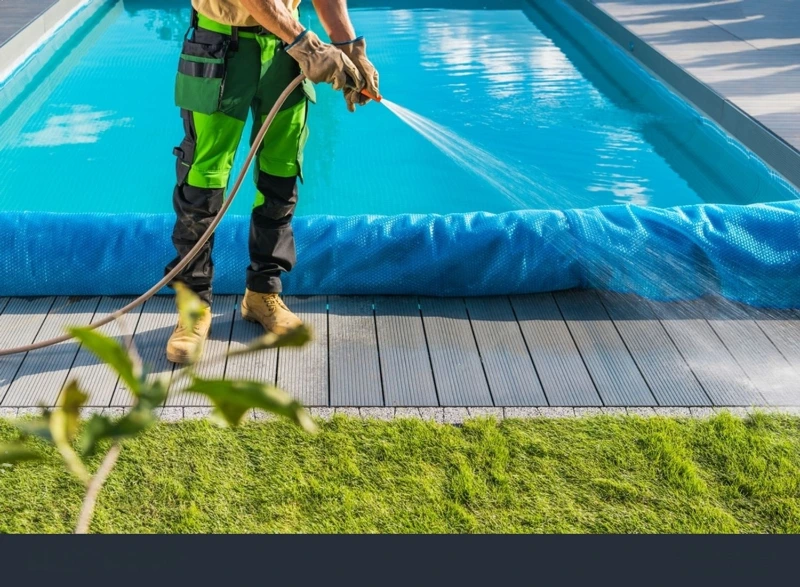
A Pool Deck Is a Slip Hazard Waiting to Happen
A pool deck becomes a slip hazard because it stays wet almost constantly from splash out, rain, and overnight humidity, and that nonstop moisture is exactly what algae needs to take hold and turn the surface slick underfoot. The U.S. Consumer Product Safety Commission specifically recommends non-slip surfaces around pools for this reason. A pool deck sits wet far more often than any other outdoor surface on the property, which is why it is often the first place algae becomes a real safety issue rather than just a cosmetic one.
Algae on a dry surface is mostly a cosmetic problem, but the moment it gets wet again, splash out, a rain shower, morning dew, it becomes genuinely slippery, closer in feel to walking on wet ice than wet concrete. Between kids running around the deck barefoot and guests moving between the pool and the lanai, a green tinted deck in a Wiregrass Ranch or Seven Oaks backyard is a real fall risk, not just an eyesore, the same slip risk that shows up on an algae covered driveway or walkway, and it is one of the more overlooked hazards around a Florida pool.
Does deck material affect how slippery it gets? Yes. Smooth stamped concrete and certain paver finishes hold a thinner algae film that can feel deceptively less obviously dirty while still being just as slick, while textured or brushed concrete tends to show buildup more visibly before it becomes dangerous. Either way, the safest approach is a cleaning schedule based on time rather than waiting until the deck visibly looks bad, which is the same principle behind pressure cleaning lanais on a set interval rather than reactively.
Working Carefully Around Screen Enclosures
Most Wesley Chapel pools sit inside a screened lanai, and pressure cleaning lanais requires real care since that screen mesh is fragile. Aiming a wand at it, even at low pressure, can tear it or blow out a panel, which is why we use the same low pressure judgment behind how soft washing works on any delicate surface. We keep pressure directed at the deck and hardscape surfaces only, never at the screen itself, and we move pool furniture and equipment out of the way before starting rather than working around it.
Is it safe to clean a pool deck near the pool itself? Yes, as long as the cleaning solution used is pool safe and rinsed thoroughly away from the water line, which is standard practice on every pool deck job we do.
Pool Deck Cleaning Wesley Chapel FAQ
Typical Pricing for Pool Deck & Lanai Cleaning in Wesley Chapel, FL
Pool Deck & Lanai Cleaning typically runs $149 to $399, this is a typical range, your final quote depends on size and condition. Every job starts with a free estimate, call (656) 259-0300.
✓ Backed by our 7-Day Redo Guarantee
Prefer not to call? Text a photo of your pool deck or lanai to (656) 259-0300 for a fast quote, no call needed.
How much does it cost to power wash a pool deck?
Pricing depends on the deck size and surface material, whether its paver, stamped concrete, or plain concrete, but most pool deck jobs get a straightforward quote after a quick look at the space rather than a flat rate that ignores your actual layout.
What is the best time of year to power wash a pool deck?
In Wesley Chapel, algae growth around pools continues nearly year round because of the constant moisture, so there is no single best season. Most homeowners schedule it every 6 to 12 months regardless of time of year.
Is pressure washing safe for all pool deck surfaces?
No. Screen enclosures and delicate coatings need a gentler approach. We keep pressure directed at the deck and hardscape only, never at the screen mesh, and always confirm the surface type before starting.
Will pool deck cleaning make the surface less slippery?
Yes. Removing the algae film that builds up on pool decks is one of the most effective ways to reduce slip risk, since the algae itself is what makes the surface slick when wet.
Pool Deck and Lanai Guides
Plan your next lanai or pool deck cleaning.
- Best Time to Pressure Wash Wesley Chapel: which months work best before the rains
- How Often to Pressure Wash in Florida: how often each surface needs cleaning
- Pressure Washing Cost in Wesley Chapel: what drives the price of a cleaning